
Installing a home lift is one of the smartest investments you can make in your property. Beyond the obvious boost to accessibility and safety, a well-chosen elevator system enhances independence for all household members and significantly increases your home’s long-term value.
For residential and low-rise commercial installations, two systems dominate the market: traction and hydraulic elevators. Both offer reliable performance and smooth operation, but they work in fundamentally different ways. Understanding these differences is essential to making the right choice for your space.
So which system truly suits your needs? The answer depends on your building’s structure, your budget, and how you plan to use the lift. Let’s break down what sets these two systems apart.
Traction Elevators: Precision Engineering for Modern Homes
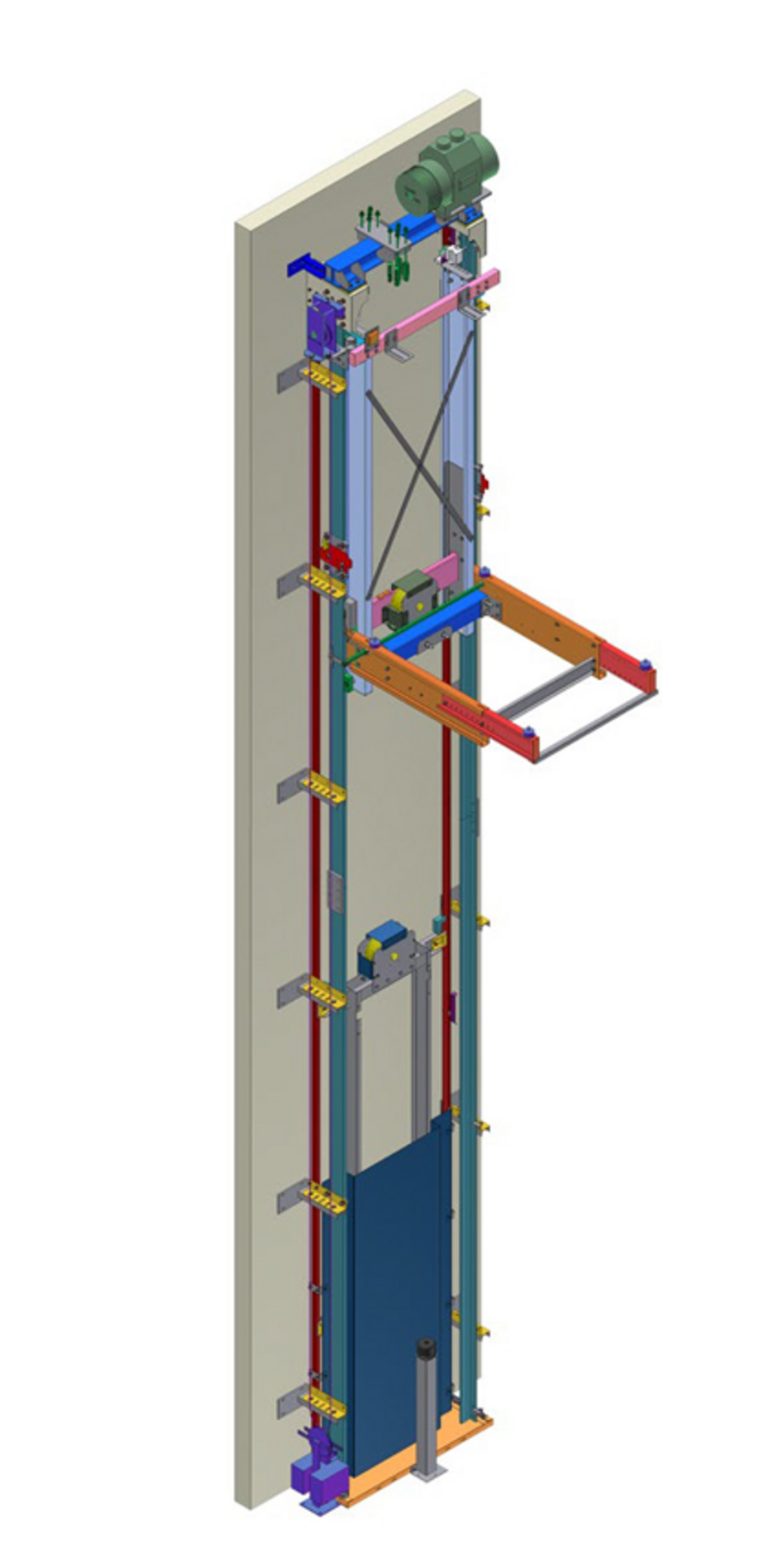
Traction elevators operate using a sophisticated system of steel ropes, pulleys, and counterweights, all driven by an electric motor mounted above the shaft. When you press a button, the motor engages the pulley system, which moves the ropes over a grooved sheave. The counterweight balances the cab’s weight, allowing the system to lift and lower with minimal energy expenditure.
Key Benefits of Traction Elevators
Space-Saving Design
Traction systems integrate their machinery within or directly above the shaft, eliminating the need for a separate machine room. The control panels are compact, making them ideal for homes where every square metre counts.
Speed and Performance
If your home has four or more floors, traction elevators deliver faster travel times compared to hydraulic systems. This makes them particularly well-suited to taller buildings where efficiency matters.
Smooth, Quiet Operation
The counterweight system creates a balanced, seamless ride. You’ll notice the difference immediately. Traction elevators glide between floors with minimal noise and vibration.
Energy Efficiency
Because the counterweight offsets much of the cab’s weight, the motor doesn’t have to work as hard. This translates to lower energy consumption over the life of the elevator.
Traction Elevator Considerations
Traction systems do come with higher upfront costs compared to hydraulic options. They also require stronger structural support and adequate overhead space to accommodate the motor and pulley system. Installation takes longer, and ongoing maintenance can be more complex and costly due to the precision engineering involved.
Despite this, for multi-storey homes with a focus on luxury, performance, and long-term efficiency, traction elevators are hard to beat.
Hydraulic Elevators: Reliable, Affordable, and Space-Efficient
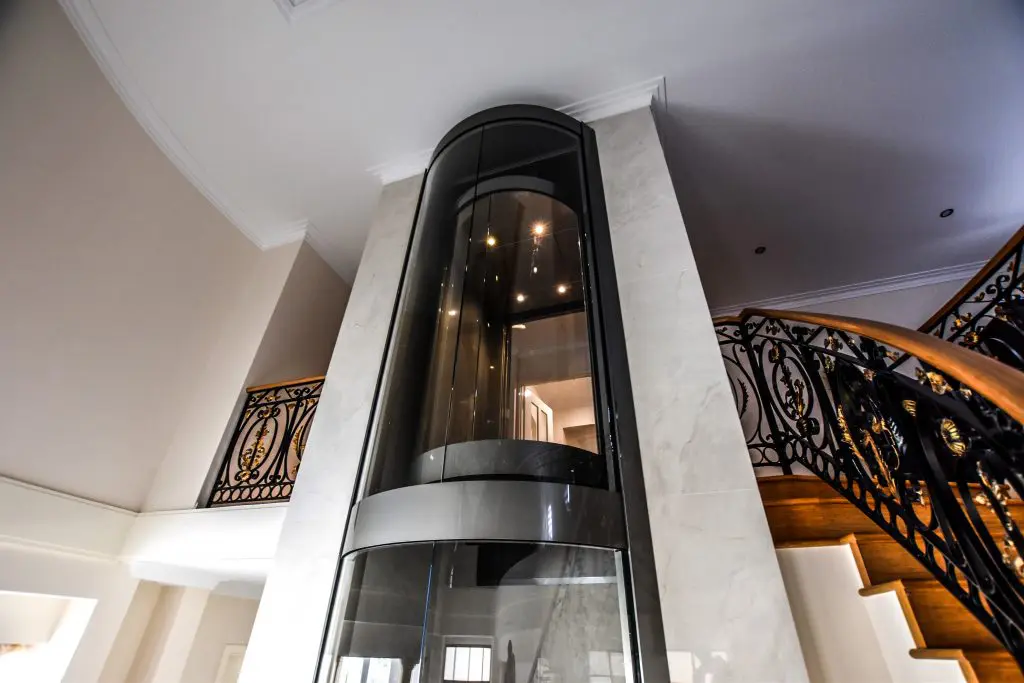
Hydraulic elevators use a different approach entirely. Instead of ropes and pulleys, they rely on a hydraulic piston housed in a cylinder beneath the cab. When you activate the lift, a pump pushes hydraulic fluid into the cylinder, raising the piston and lifting the cab. To descend, the system releases pressure, allowing the cab to lower smoothly.
Key Benefits of Hydraulic Elevators
Cost-Effective Installation
Hydraulic systems are more affordable to install than traction elevators, making them an attractive option for homeowners working within a tighter budget.
Compact Footprint
These systems don’t require extra overhead structures or reinforced roofing. The machinery fits neatly within the shaft or in a small adjacent space, making hydraulic lifts ideal for homes with limited structural flexibility.
No Separate Machine Room
Modern hydraulic elevators integrate the pump and motor directly into the system, eliminating the need for a dedicated machine room. This saves valuable space in your home.
Quiet and Low-Maintenance
Hydraulic lifts operate smoothly and quietly, and their simpler mechanical design makes them easier and more cost-effective to maintain over time.
Hydraulic Elevator Considerations
Hydraulic systems do have some limitations. They’re slightly slower than traction elevators, which can be noticeable in taller buildings. They also require proper temperature control to maintain optimal fluid performance, though this is standard in all products.
For homes with one to three floors, or for projects where budget and space are primary concerns, hydraulic elevators offer an excellent balance of performance and value.
Side-by-Side Comparison
Feature |
Traction |
Hydraulic |
|
Speed |
Ideal for taller buildings | Ideal for 1-3 floors |
|
Space |
Needs a stronger roof structure |
No extra structures, compact footprint |
|
Installation Cost |
Higher cost |
More affordable option |
|
Energy Use |
Very energy-efficient |
Moderate power consumption |
|
Maintenance |
Higher cost, more complex |
Simpler, cost-effective |
| Ideal For | Multi-storey homes with luxury and modern designs |
Compact homes restricted by space or budget |
Key Factors to Consider When Choosing a Lift
Type of Lift Needed
Start by matching the system to your building’s height, expected usage, and overall design. A three-storey home has different requirements than a five-storey residence, and your choice should reflect that.
Space Requirements
Every installation requires adequate shaft space, pit depth, and doorway clearance. We recommend arranging a professional assessment to ensure your home can accommodate the system you’re considering.
Budget
Residential lifts typically start from $45,000 plus GST, though the final cost depends on the type of system, customisation options, and the scope of your project. It’s worth investing in quality upfront to avoid costly repairs or replacements down the track.
Read more: How Much Will It Cost to Install a Home Lift in 2025?
Installation and Maintenance
Work with reputable installers who understand the nuances of residential elevator systems. At Platinum Elevators, we also offer iNVER-iQ remote monitoring, which helps reduce long-term servicing costs by identifying potential issues before they become major problems.
Safety
Lifts are statistically safer than stairs, particularly for older adults or anyone with mobility concerns. A well-maintained elevator system provides peace of mind and reduces the risk of falls and injuries in your home.
Making the Right Choice for Your Space
Choosing between traction and hydraulic systems comes down to your building’s specific needs.
Choose traction if you have a multi-storey home (four to five floors or more) and you’re looking for speed, energy efficiency, and a premium ride experience. Traction systems are ideal for modern, luxury builds where performance is a priority.
Choose hydraulic if affordability, simplicity, and space efficiency are your main concerns. Hydraulic lifts are perfect for compact homes or projects with structural limitations.
If you’re still unsure which system is right for you, our team at Platinum Elevators is here to help. We’ll assess your space, discuss your needs, and recommend the best solution for your project. Contact us today to book a consultation. Let’s find the perfect lift for your home.
Related posts: